









Creators face a practical choice: invest in a dedicated camera body or lean harder into the phone already in their pocket. In 2026, computational photography has closed many everyday gaps, but not all of them.
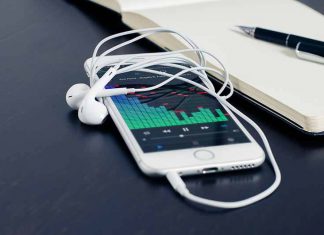
Smartphones win on speed, social publishing, stabilization for walking shots, and low-friction editing. For travel vlogs, product unboxings, and quick tutorials, a flagship phone is often enough.
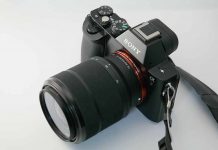
Mirrorless systems still win on sensor size, lens character, low-light depth, and long-form cinematic control. If you shoot client commercials, interviews, or dim venues, dedicated glass remains hard to beat.
Hybrid workflows are common: phone for B-roll and vertical shorts, camera for hero footage. Invest first in lighting and audio — they improve both devices more than a minor sensor upgrade.
Buy based on publishing goals, not gear envy. If your bottleneck is storytelling or consistency, new hardware will not fix the channel.